
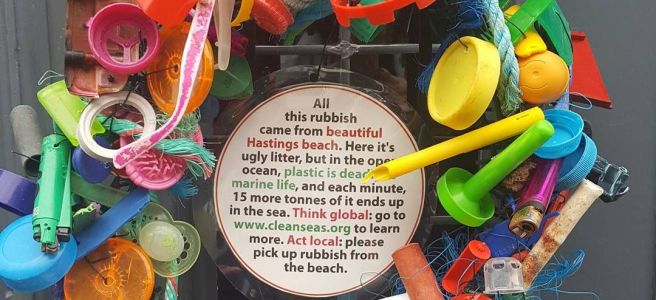
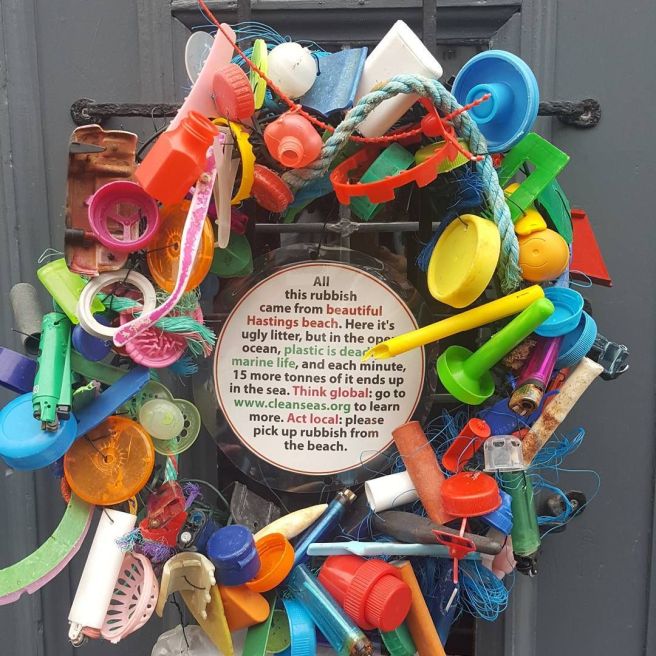
Whatever the spiritual significance of the Christmas period to you, the holidays are a time when our consumption as a culture goes into overdrive. With many planetary boundaries already exceeded and an increasing awareness of how resources are being depleted to manufacture products in exploitative labour conditions, and the subsequent pollution caused when these products are disposed of, it is perhaps time to take a step back and think about how we can celebrate the holidays in a more sustainable way.
Before I go any further it’s important to note that for many people Christmas can be a difficult period, due to financial and time pressures. It can also put a great deal of pressure on peoples’ mental health, by being a time of socially enforced proximity to family or of reminders that family relationships may not be of the idealised type, not to mention increased pressure to complete work before the holidays, enforced socialising, lack of free time and changes to routine that are not freely chosen,and the constant stress of crowds, bright lights and loud music in public spaces. If this time of year is one you already struggle to get through, this post is not aimed at you unless you feel following the suggestions would help you cope. It is not intended to be another source of guilt or obligation at a difficult time.
“Think global, act local” is a popular catchphrase, and it doesn’t get more local than the wildlife in your own back garden. Many people like to put the cooking fat left over from their Christmas turkey or roast out for garden birds, believing that this provides them with useful winter food, but as the RSPB explains this is a bad idea because:
- Unlike the hard fats that you can buy as specialist hanging bird feeders, cooking fats are soft and can clog the birds’ feathers making it harder for them to fly.
- Depending on what was added to the roast cooked fats can be high in salt which dehydrates small birds.
- Birds’ immune systems can be at their lowest ebb in the depths of winter, and meat juices mixed in with the fat can spoil quickly and cause infections.
Instead why not decorate a garden tree for the birds with specialist bird foods that won’t harm them?
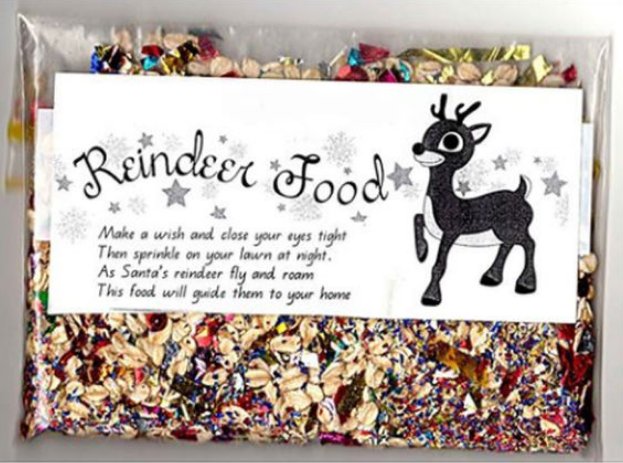
Awareness of glitter as an environmentally damaging microplastic that can be washed into watercourses and ingested by small creatures is thankfully on the increase, but needless to say mixing it with something garden wildlife will want to eat and sprinkling it at a time of year when they are likely to be hungriest is a very bad idea. While more environmentally friendly mica-based glitter is also not something we should be encouraging wildlife to consume – instead if you did want to scatter something on the lawn I would recommend choosing an edible sugar-based glitter.
Moving indoors, many people like to burn candles at Christmas but it’s worth considering what their made of – synthetic candles are made from fossil fuels so burning them not only contributes to global warming it can also produce an alarming amount of indoor air pollution. While all combustion is likely to produce some volatile organic compounds, natural beeswax candles aren’t made from petrochemicals and as the wax is made by bees from the plants they ingest, will not contribute to an increase in carbon dioxide in the atmosphere. For those who avoid animal products soy candles are also available, but it is worth considering how much soya that could have been used for human food is needed to produce a candle.
Whether a real or synthetic Christmas tree is more environmentally friendly is a popular annual subject of national debate, and as with so many such debates the answer is “it depends“: on where you get it from, how long you use it for, how you dispose of it and which type of environmental damage you are most concerned about. Synthetic trees are made from petrochemical-derived plastics, are made by industrial processes with a carbon cost and release more carbon dioxide at the end of their lives if they are incinerated or could otherwise become plastic pollution in the environment. However they can be reused year after year whereas many people buy a new real tree every year and often drive a considerable distance to collect it. If real trees are composted or burned after Christmas they are carbon neutral, releasing only the carbon dioxide they absorbed while growing, but if they are sent to landfill they will release methane as they decay into toxic sludge under oxygen-free conditions.
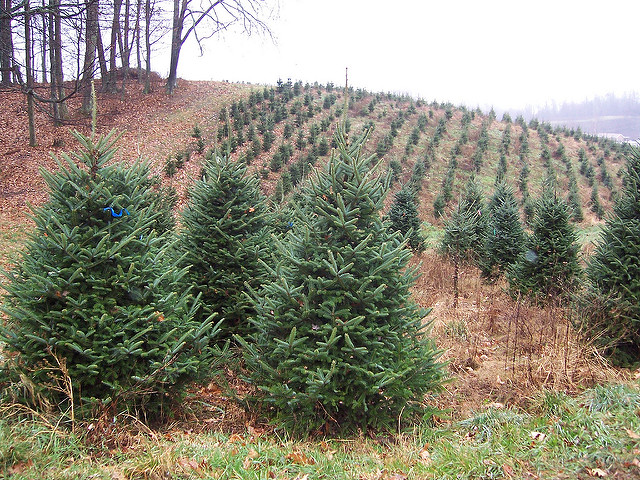
It’s also worth considering the conditions under which real trees are grown. While some plantations are certified by the Forest Stewardship Council the majority are not, and Christmas trees are often grown as a monoculture that is almost useless to woodland birds, insects and dormice. The understory is sometimes also sprayed with herbicides to suppress native woodland plants that could compete with the trees. However it should also be noted that woodland management is not especially profitable in the UK, and Christmas trees are one of the few woodland crops that do turn a profit. Although of limited use for biodiversity in its own right, a Christmas tree plantation may allow a woodland owner to support themselves and so spare another, richer area of woodland from development.
Moving on to presents, we often feel obliged to buy things because our culture tells us that that is how we show we care about people at this time of year, not because the recipient needs or wants them. I would be very curious to know what percentage of Christmas presents end up in charity shops or the back of wardrobes after Christmas. This can be a particular problem with office Secret Santa exchanges, which often end up with you having to spend an assigned amount of money on a person you know nothing about. Rather than going for the perennial posh notebook or smelly shower gel, an increasing number of charities now allow you to donate an amount of money corresponding to a discrete useful item in someone’s name. Oxfam for example allows you to donate a malaria-fighting mosquito net for just £7 or warm bedding for a refugee for just £21. As a bonus these sponsorships are available over the internet so they’re great for frantic last minute gifts!
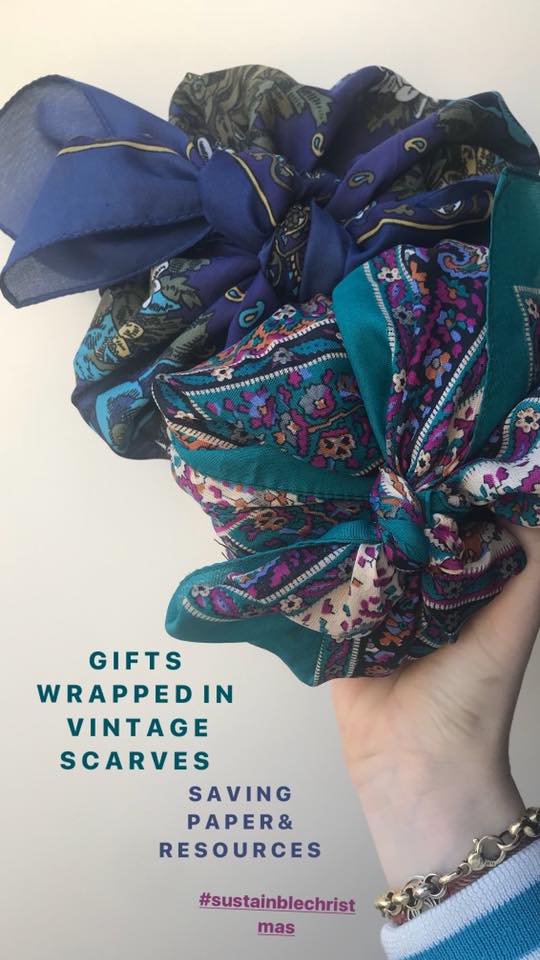
Moving on to physical gifts, an excellent suggestion for presenting them is to use second hand scarves from charity shops instead of wrapping paper that will be thrown away. Not only does the purchase benefit the charity shops, the scarves can be used year after year or worn by the recipients if they prefer.
Finally I’d like to talk about a trend that’s becoming a bit of a bugbear of mine, Christmas jumpers. There is a very real danger in the environmental movement that we condemn consumption that we do not ourselves partake in as unjustifiable while excusing our own. For example the recent increase in awareness of plastic pollution following the (excellent) Blue Planet series led to the creation of several popular campaigns on Twitter calling out what was perceived as excessive packaging. Unfortunately a number of them quickly descended into ableism when people began to call out ready-prepared food that was an accessibility need, and sadly the organisers of many of these campaigns did not seem to appreciate that they themselves used packaged food but considered this level of packaging justifiable.

here are many things we do that we justify to ourselves as simply a bit of fun, because no one can be virtuous all the time, and I must confess that I am guilty of this myself. I continue to wear nail polish and dye my hair fun colours, if increasingly guiltily, even though I know that this contributes to water pollution. But I am very uncomfortable with the idea of Christmas jumpers, a garment specifically designed to be worn only for one or two days a year. The first step of reducing consumption is surely to purchase only those things we will get a lot of use out of. They are also often sold at such low prices that I am sceptical that people manufacturing them receive decent wages or working conditions, and while I appreciate that many people have no choice but to buy clothes that they need manufactured under these conditions I find it difficult to imagine that anyone needs a two-day-a-year jumper. Finally they appear to be made out of synthetic fabrics which contribute to water pollution by shedding plastic microfibres when washed. Again, I appreciate that this is often unavoidable for clothes that people need, but I would question whether there is a need for these jumpers.
I hope that this post has encouraged you to consider the impact of some festive traditions, and consider some ways of reducing their impact on the planet a little. I’ll leave you with the (possibly slightly tongue in cheek) suggestion that someone made on an environmental forum I frequent, that they always buy large bottles of alcohol to save on the extra packaging of smaller bottles!
I wish you all a peaceful holiday.

 Tangled Bank Foraging and Fibre Crafts
I wish you a peaceful holiday as well.
I appreciate this post. I’ve always thought about the paper from wrapping gifts, but other things (like the glitter) are things I haven’t thought about so much. It’s a very thoughtful post which really helps me and others contemplate how best to reduce our carbon footprints over the holidays.
LikeLike
Thank you Brendan, I’m glad you found it useful.
LikeLiked by 1 person